Honeybee removal on the Delmarva Peninsula
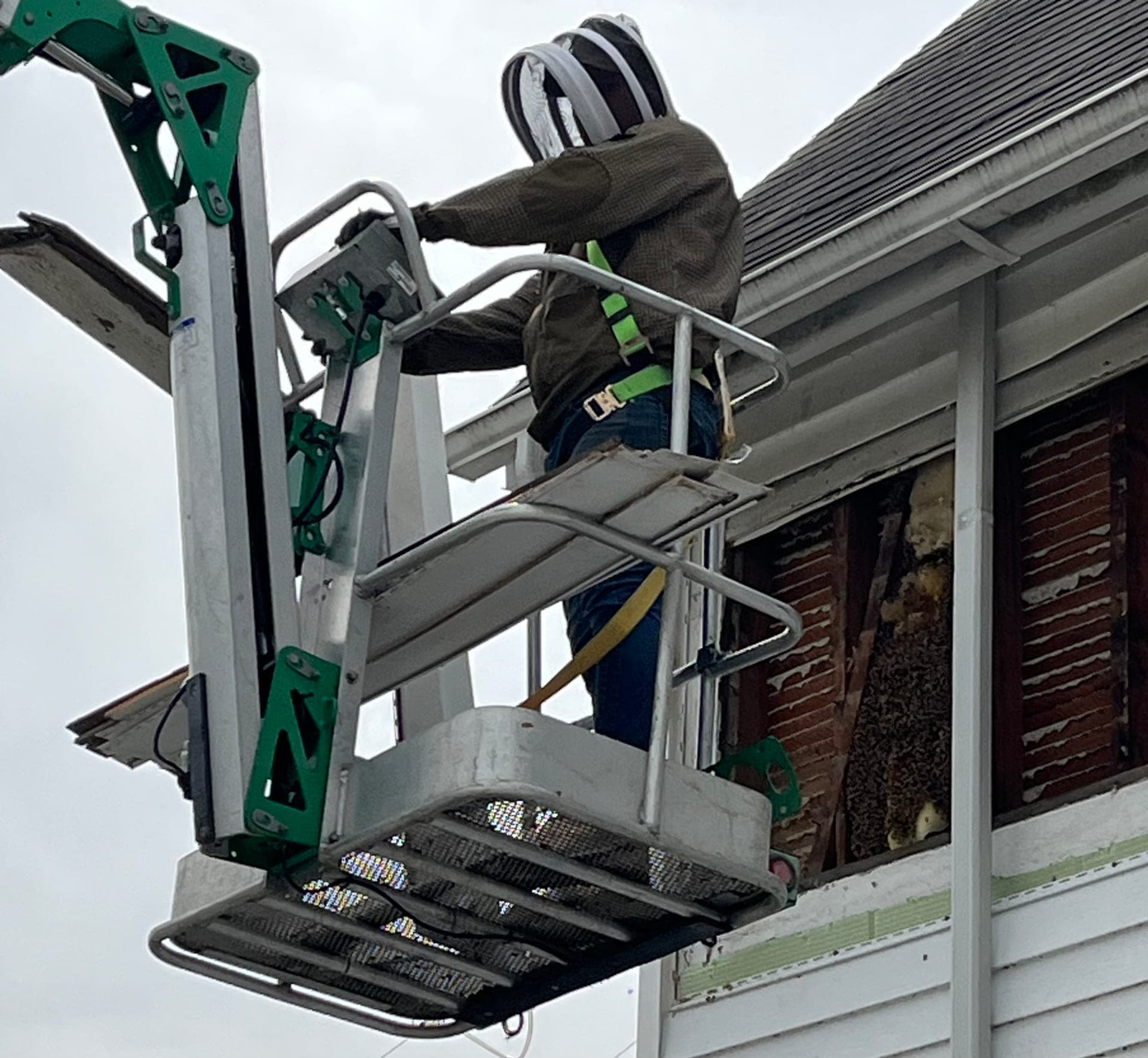
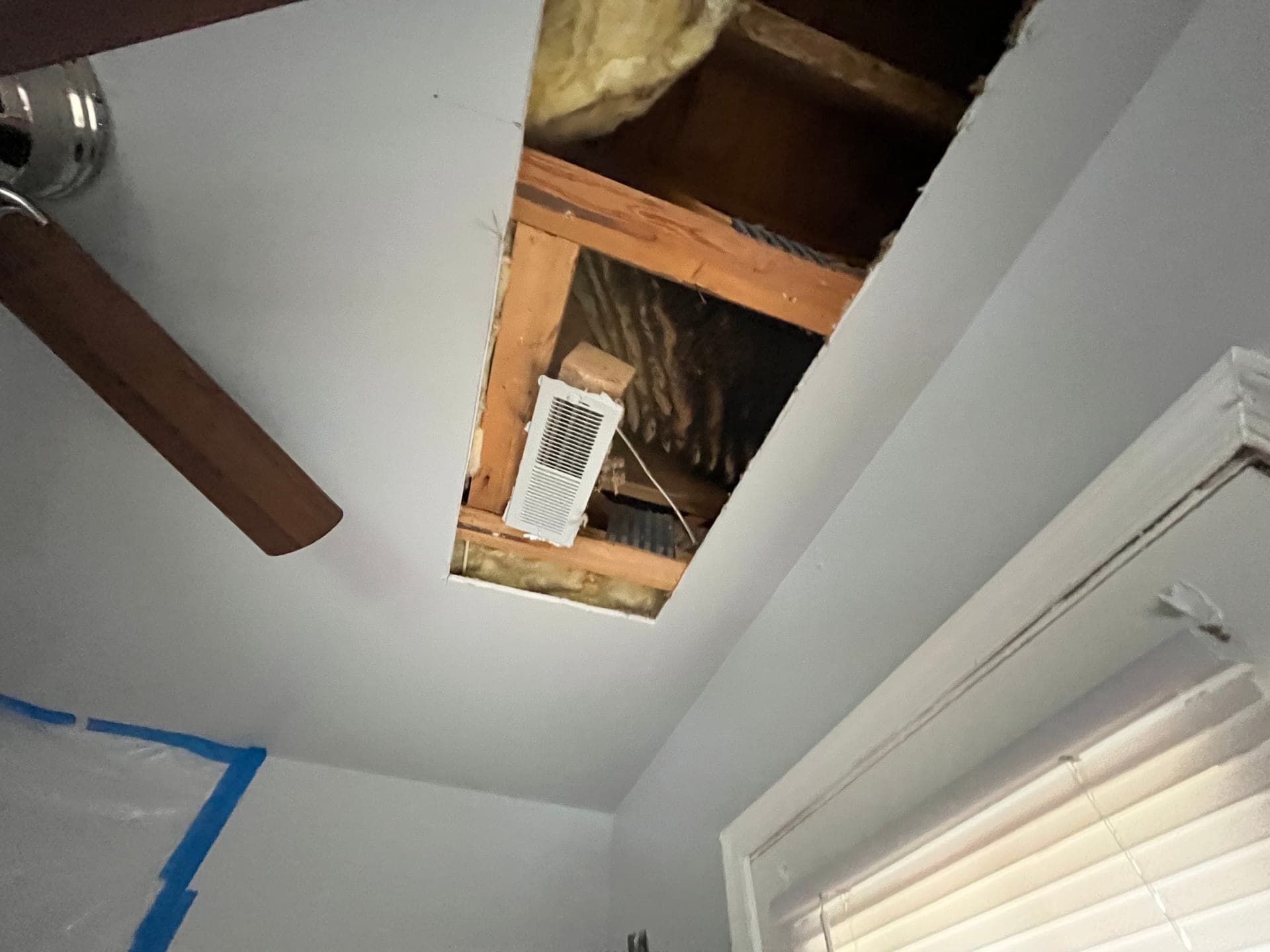
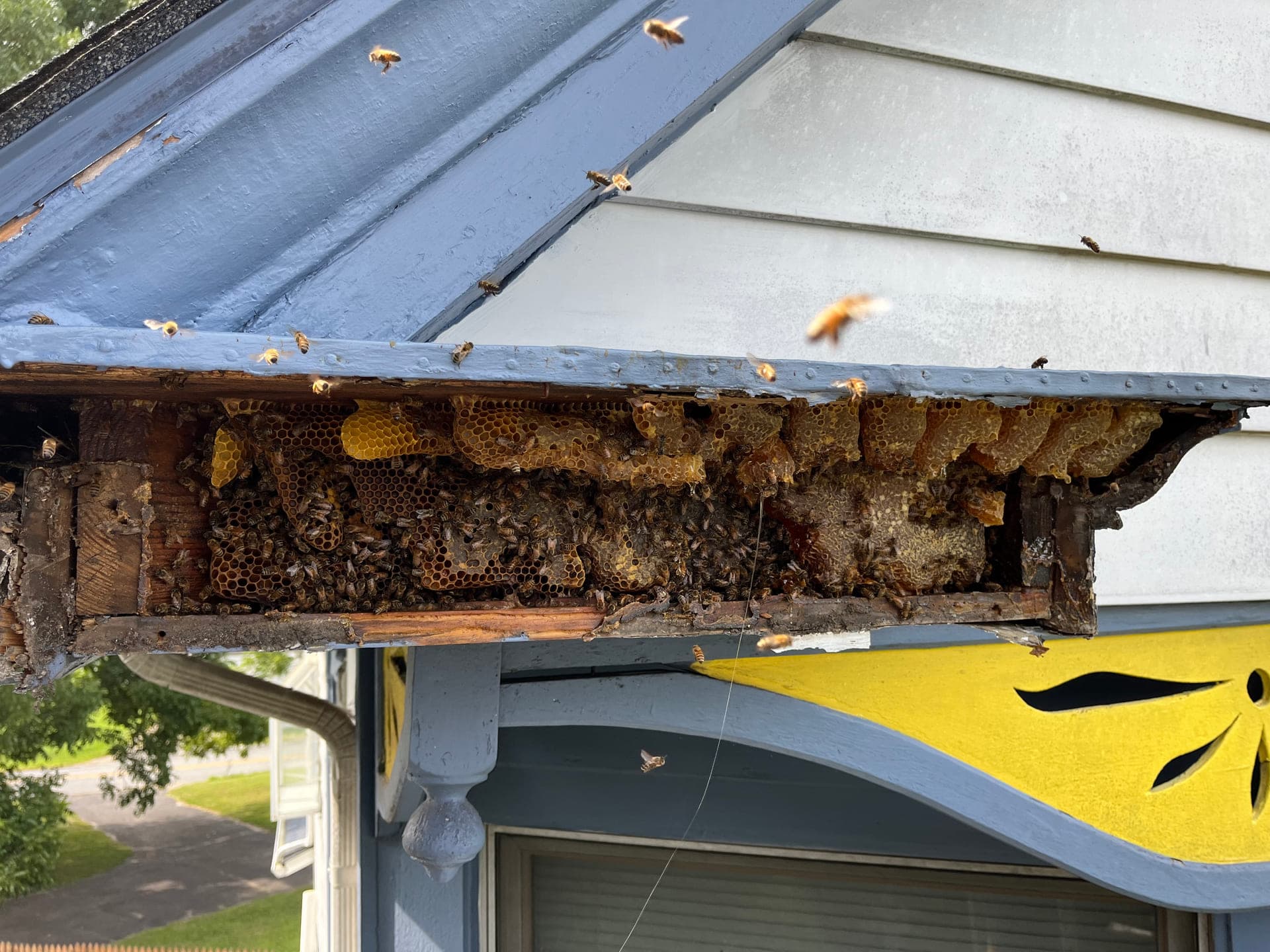
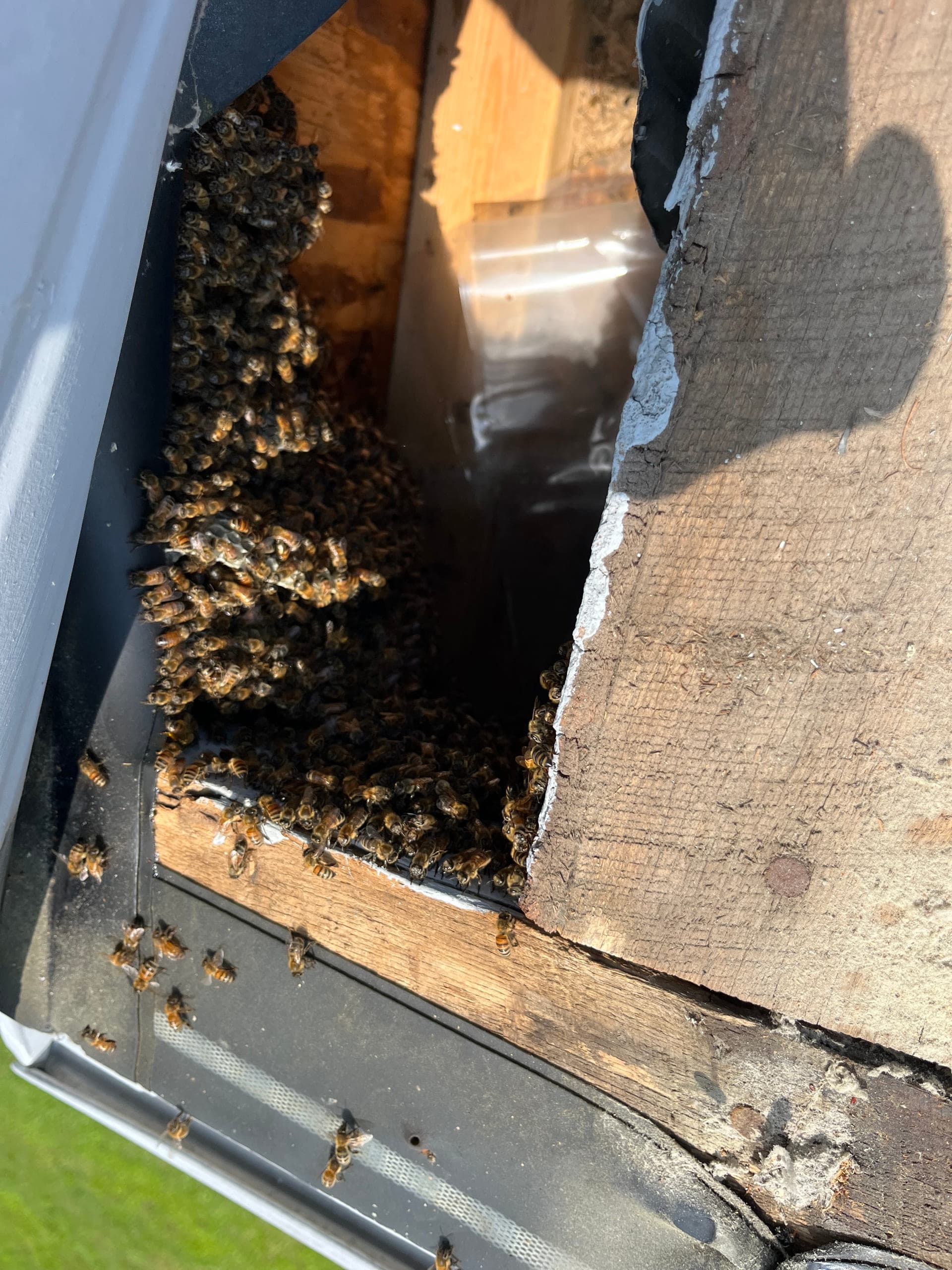
Finding bees in your house is unsettling. They slip into walls, soffits, attics, and porch columns looking for a dry place to build, and once they've settled in, the comb and honey come with them. We're a Milford, Delaware beekeeping family that does structural cut-outs: we open up the spot, take out the colony and its comb, move the bees to a hive, and help you close the gap so it doesn't happen again.
Structural removals & colony rescue specialist.
Every job is different, so estimates vary. We extract the bees and close up the structure afterward, then move the colony into a managed hive instead of destroying it.
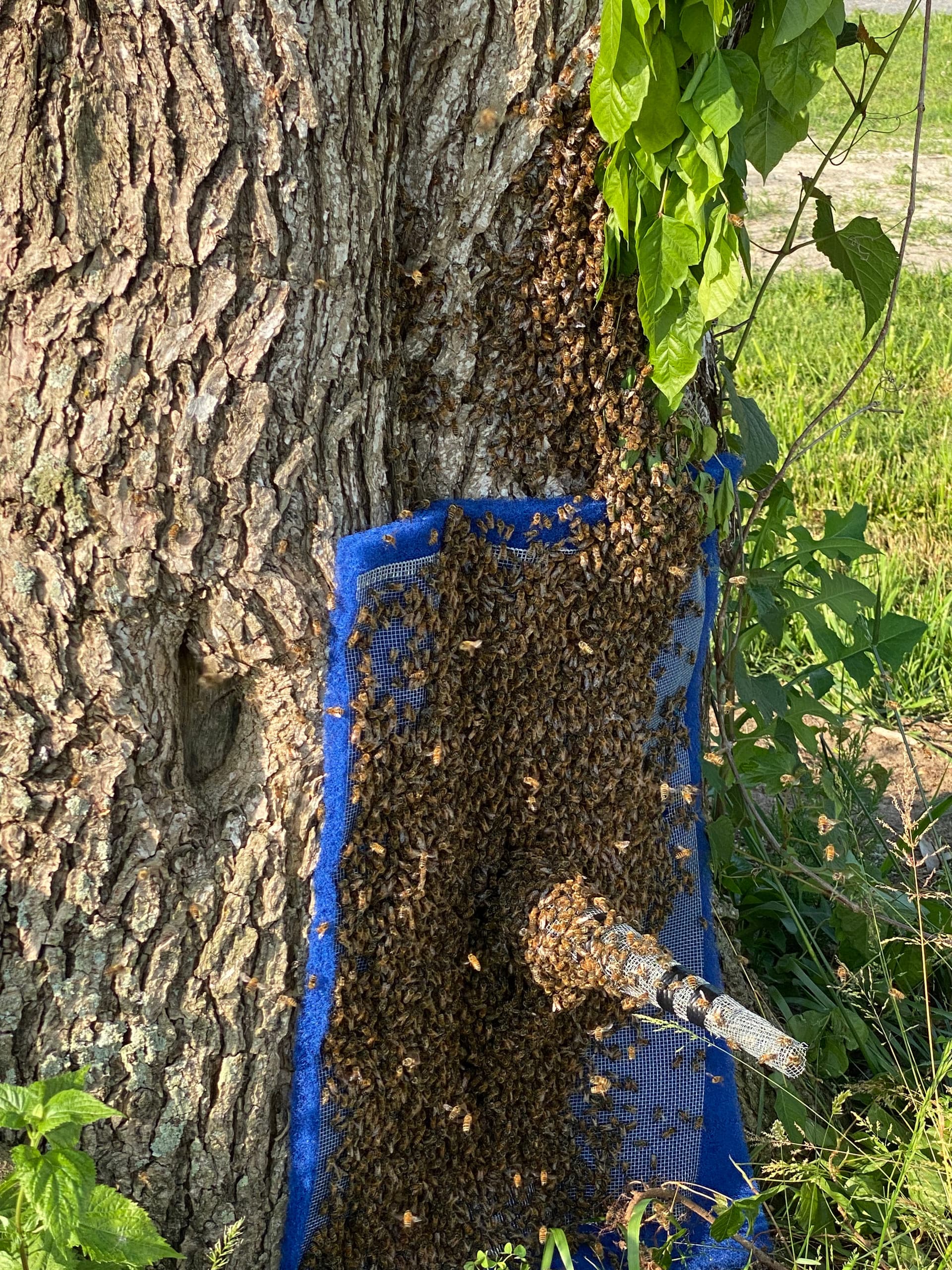
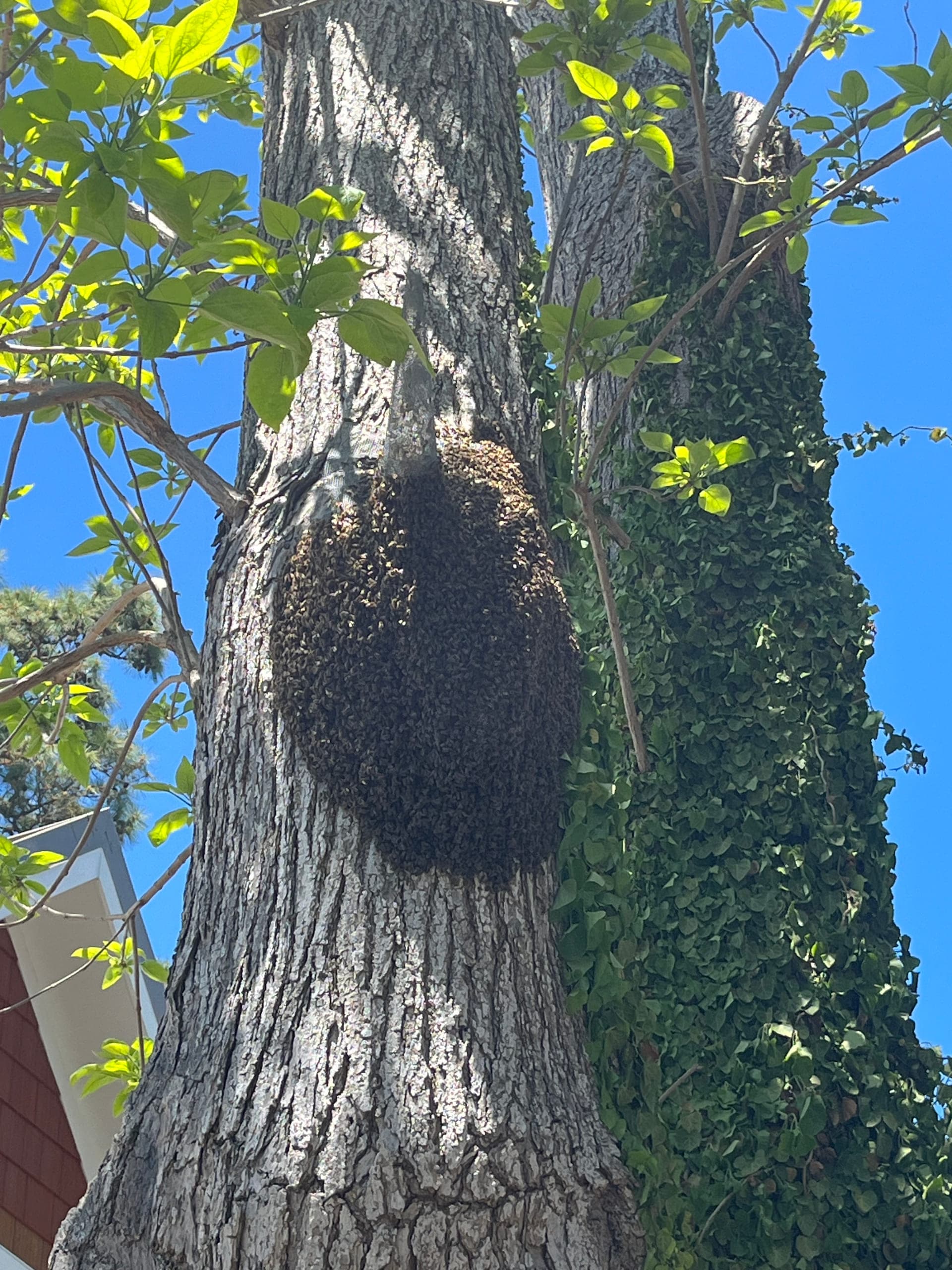
We are not only after the easy colonies. We serve homeowners across the Delmarva Peninsula, and we also enjoy grabbing bees off a tree branch when a swarm settles there.
Contact us
Why a cut-out, not an exterminator
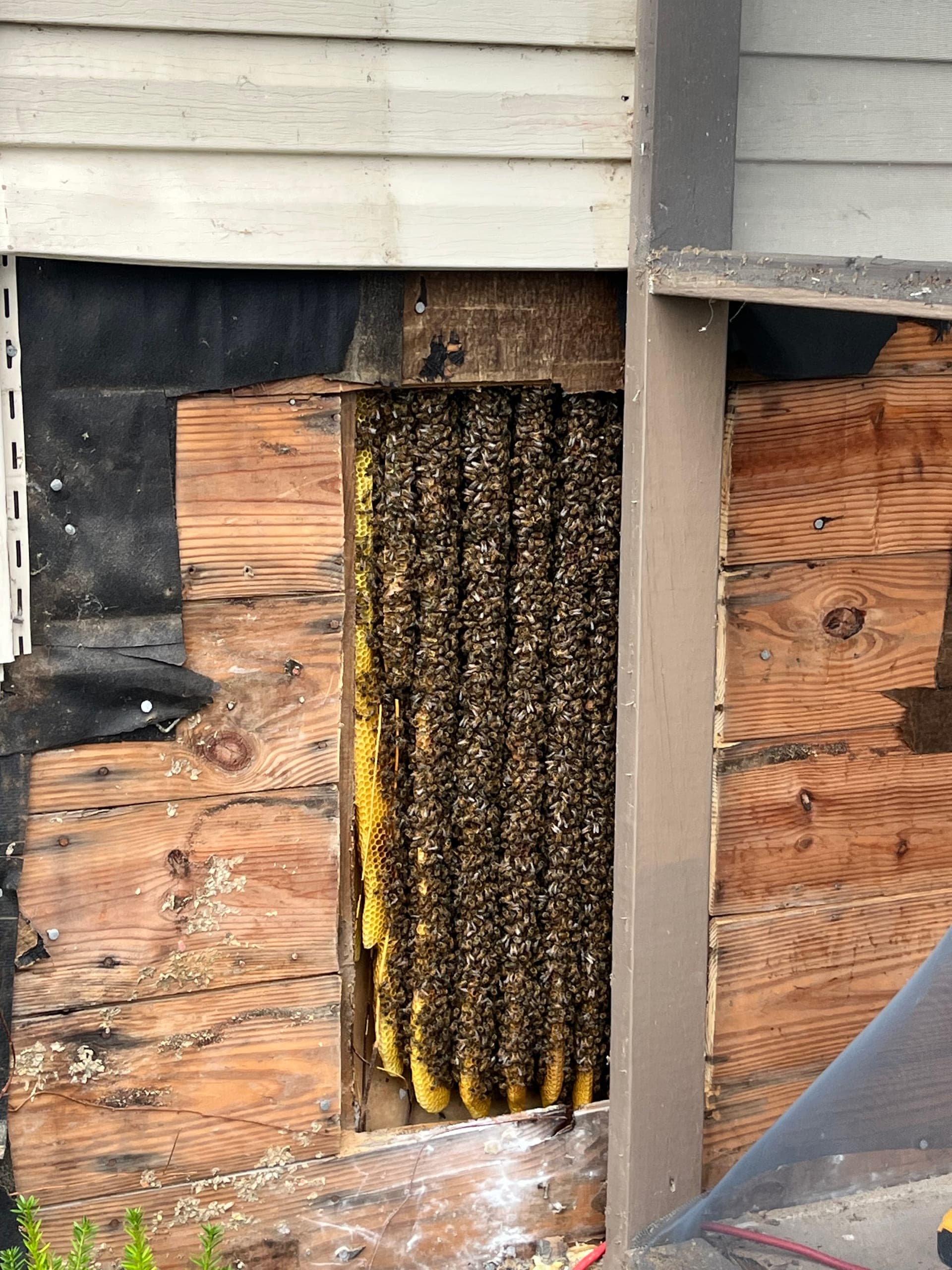
Once a colony settles in, it builds wax comb and stores honey right inside the wall. A cut-out opens that space, lifts the comb and bees into a hive box, and brings them back to our apiary. Spraying them leaves the comb and honey behind, which only draws pests and other bees later. Removing the whole nest solves it for good.
Where we go
We're in Milford and travel the peninsula for structural bee work:
- All of Delaware, from Sussex County up through Kent and New Castle
- Maryland's Eastern Shore: the Salisbury, Easton, and Cambridge areas and the towns around them
- Virginia's Eastern Shore, including Accomack and Northampton counties
A swarm on a branch isn't the same as bees in the wall
If a cluster of bees has landed on a branch or fence and is just resting there, that's usually a swarm, often a free pickup through Swarmcall.com. If you see bees coming and going from a gap in the siding, a soffit vent, or a knot in the trim, they've likely moved in, and that takes a cut-out.
What to expect when you reach out
Tell us your town, where you're seeing the bees, and how long they've been around. We'll figure out whether it's a swarm or a cut-out, then set up a time to come look. No two houses are the same. The height, the construction, and the size of the colony all shape the plan.
Logistics FAQ
- Who can get bees out of my house?
- We do. We're a Milford, Delaware beekeeping family that handles structural cut-outs for homes and outbuildings across the peninsula. Send us a note about where the bees are and we'll set up a time to take a look.
- Can the bees be removed without killing them?
- Yes. That's the whole idea. A cut-out opens the cavity, lifts the comb and bees out together, and moves the colony into a managed hive. It's different from pest control that just sprays them. We scope each one on site, since how long they've been there and how the wall is built both matter.
- Do you handle attics, soffits, and siding?
- Those are the usual spots, along with porch columns and sheds, anywhere a colony has built comb inside the structure. A few bees clustered on a branch are usually a swarm (often a free Swarmcall pickup); bees living inside the wall need a cut-out.
- Where do you travel for this?
- We're based in Milford and cover the Delmarva region: all of Delaware, Maryland's Eastern Shore, and Virginia's Eastern Shore. If you're not sure whether you're in range, just ask.
- What's the difference between a swarm and a cut-out?
- A swarm is a cluster of bees resting in the open while they look for a home. That's often a free pickup through Swarmcall.com. A cut-out is for bees that have already moved inside and built comb, which means opening the cavity, taking out the nest, and sealing it back up.
- I found bees. What now?
- Email Hello@abbottsandoak.com with your town, where you're seeing the bees, and how long they've been around. We'll let you know whether it's a swarm or a cut-out and what a visit would look like.
More about our apiary, Swarmcall, and beekeeping on the farm