Lavender runs in long rows here: something we plant, tend, harvest, and carry into the goods we sell on and off the farm.
Lavender on the farm
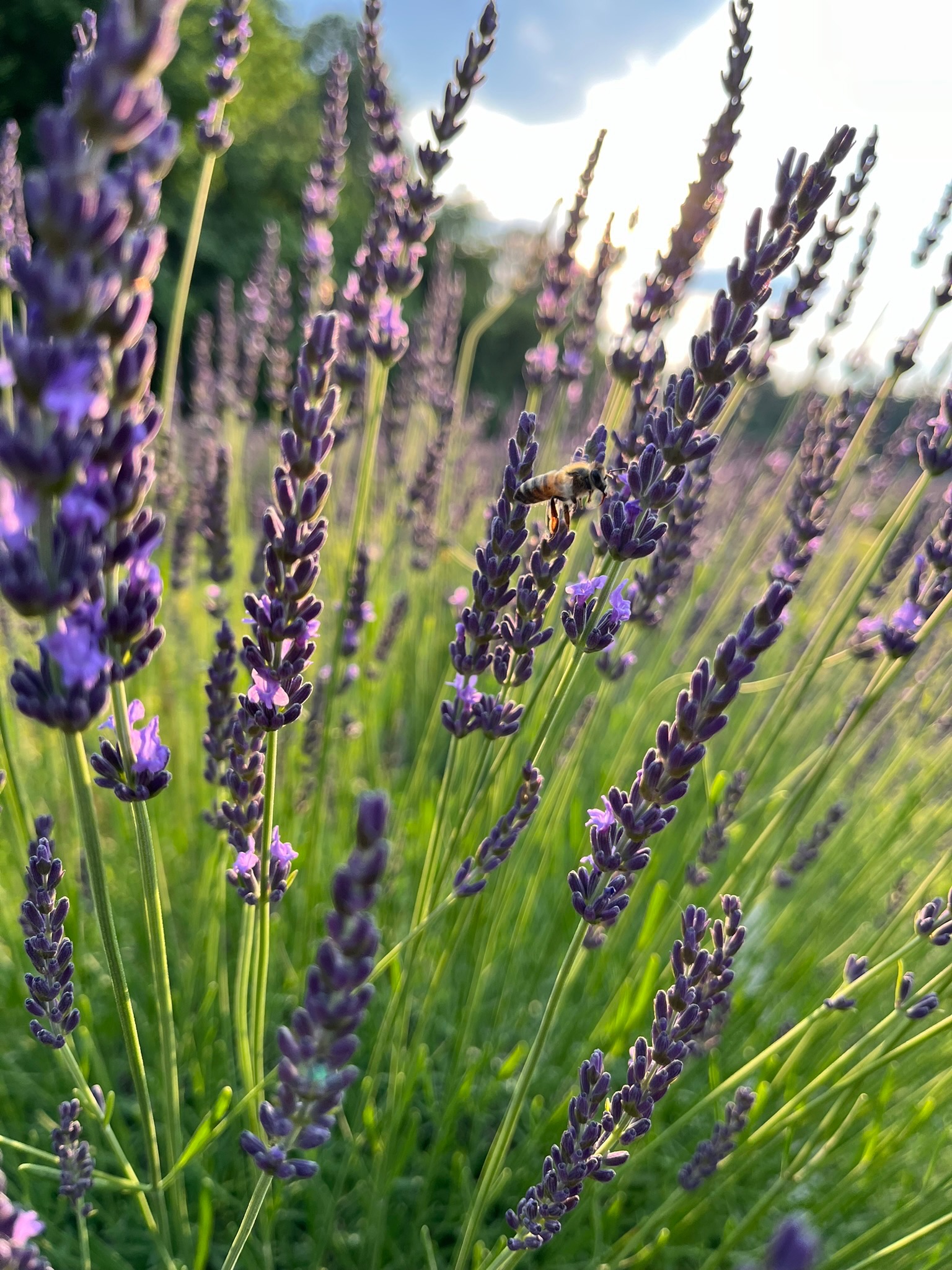
We started with a few plants and kept going. Today the rows in Milford are part of the rhythm of the place: clipping and bundling when the stems are fragrant, small distillations when the season cooperates, and drying what we do not sell fresh. Bloom never hits the same week twice. We watch the fields and post on Facebook when a visit is actually worth your drive.
You will find lavender in syrups, dried bundles, workshop days, and the farmstand when we have it. Much of what we make also lands in the online shop once it is ready to ship.
Growing & harvest
We grow lavender and a few seasonal companions through Sussex County summers. The work is hands-on: keeping rows healthy, timing cuts for color and scent, and accepting that the calendar moves every year.
Products & experiences
What comes off the rows becomes syrup, gifts, and workshop material as the year allows. When u-pick or field walks are open, we say so on Facebook first, the same place we share bloom and weather updates.
Honeybees
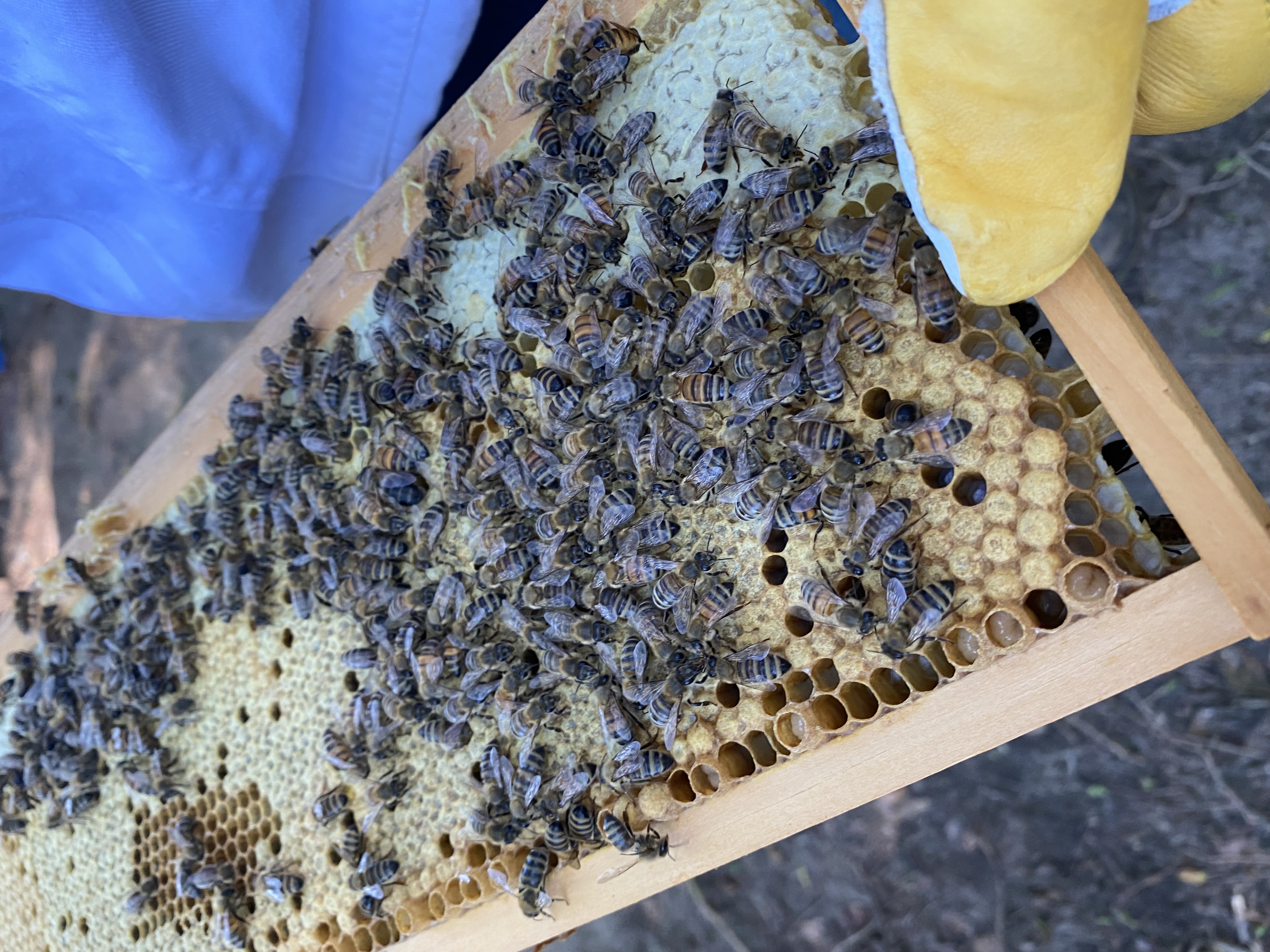
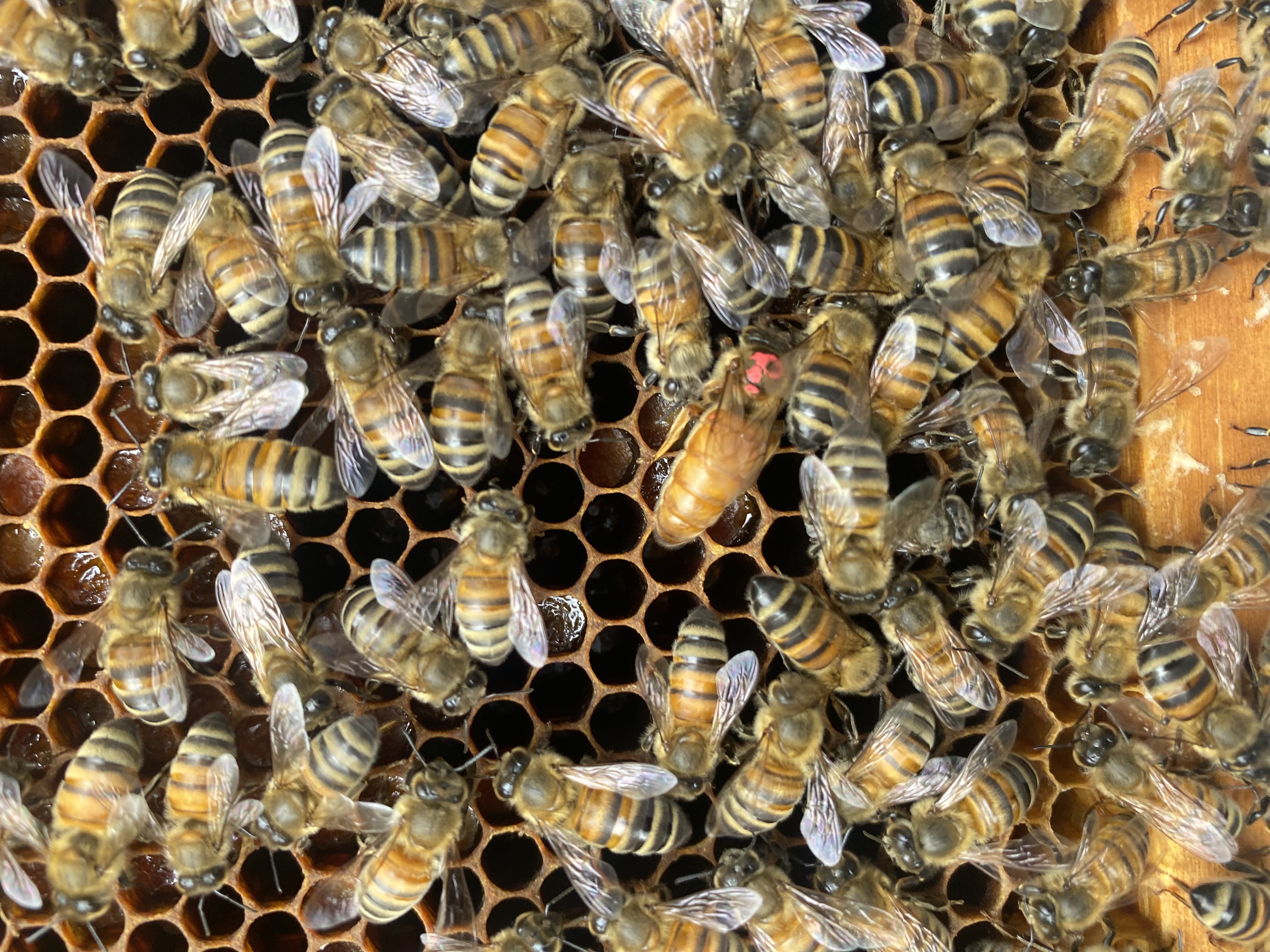
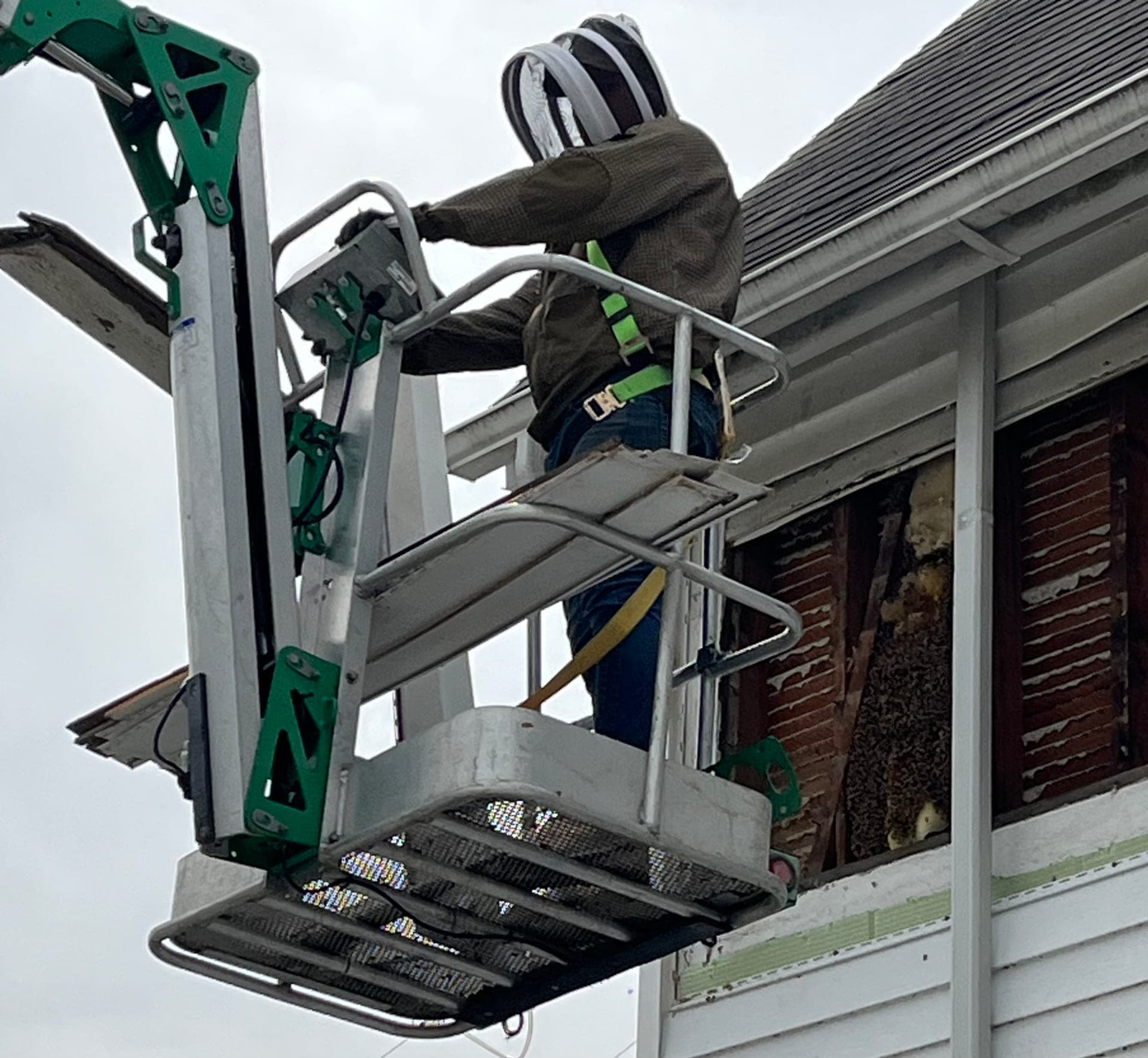
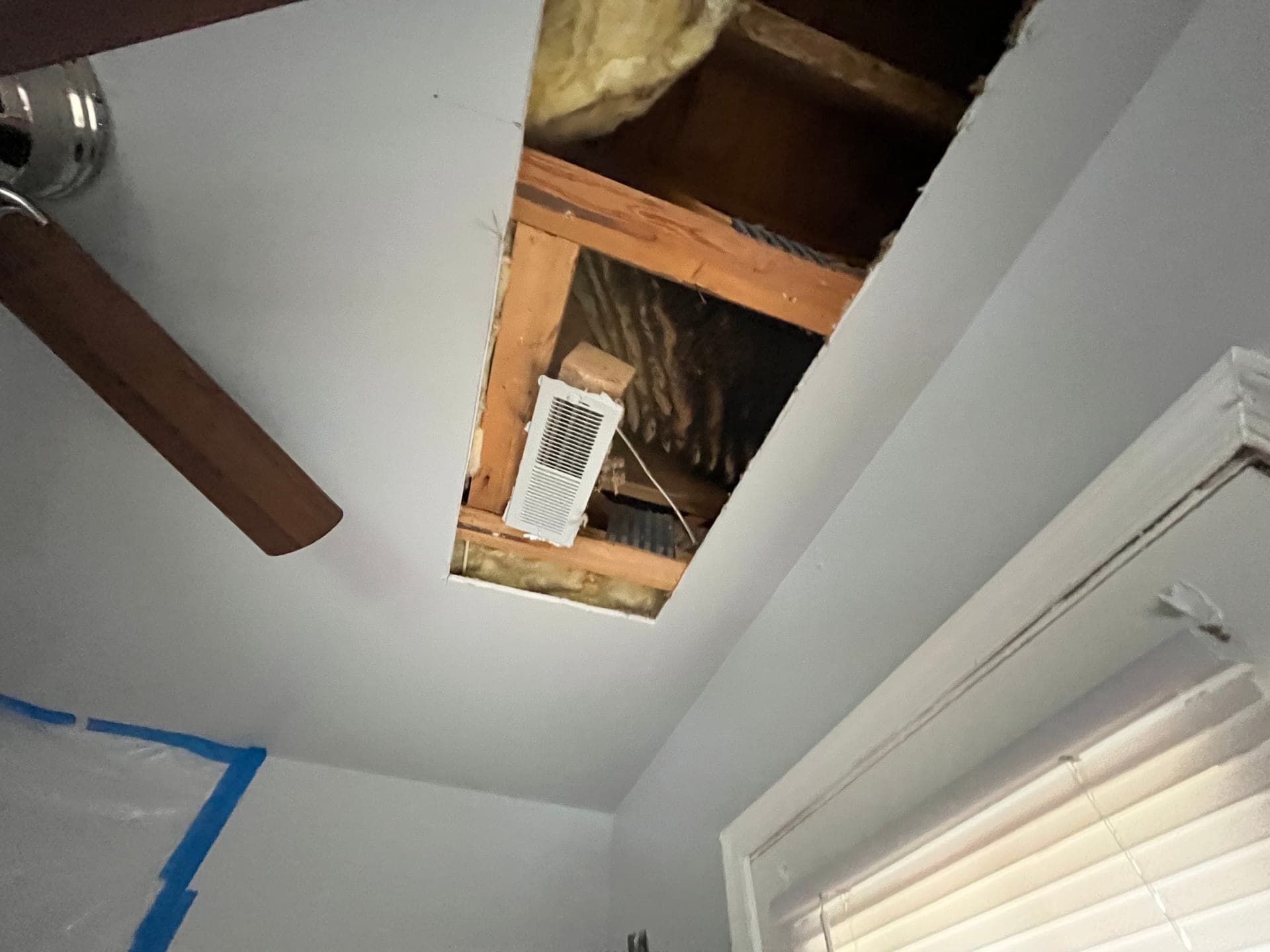
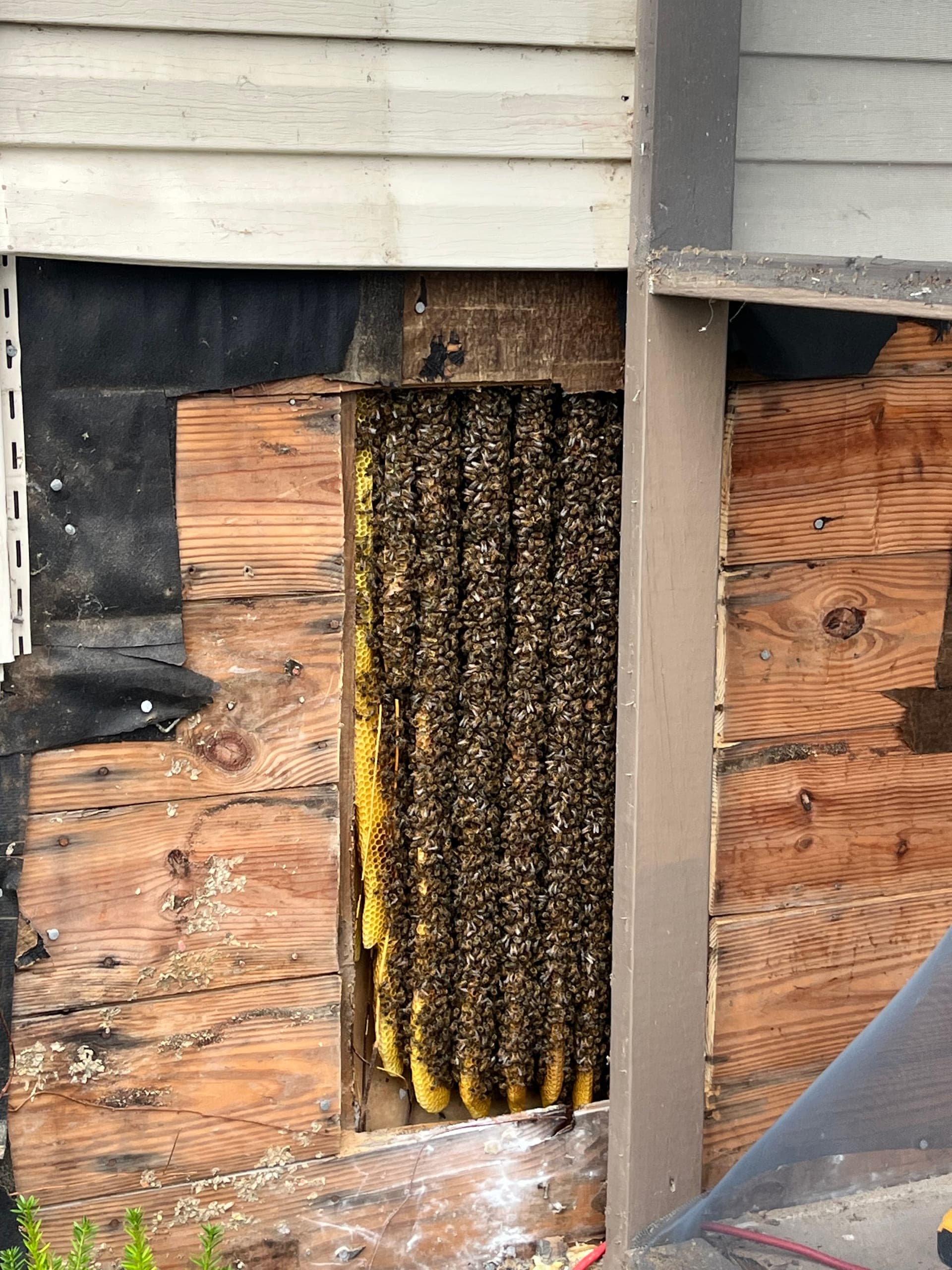
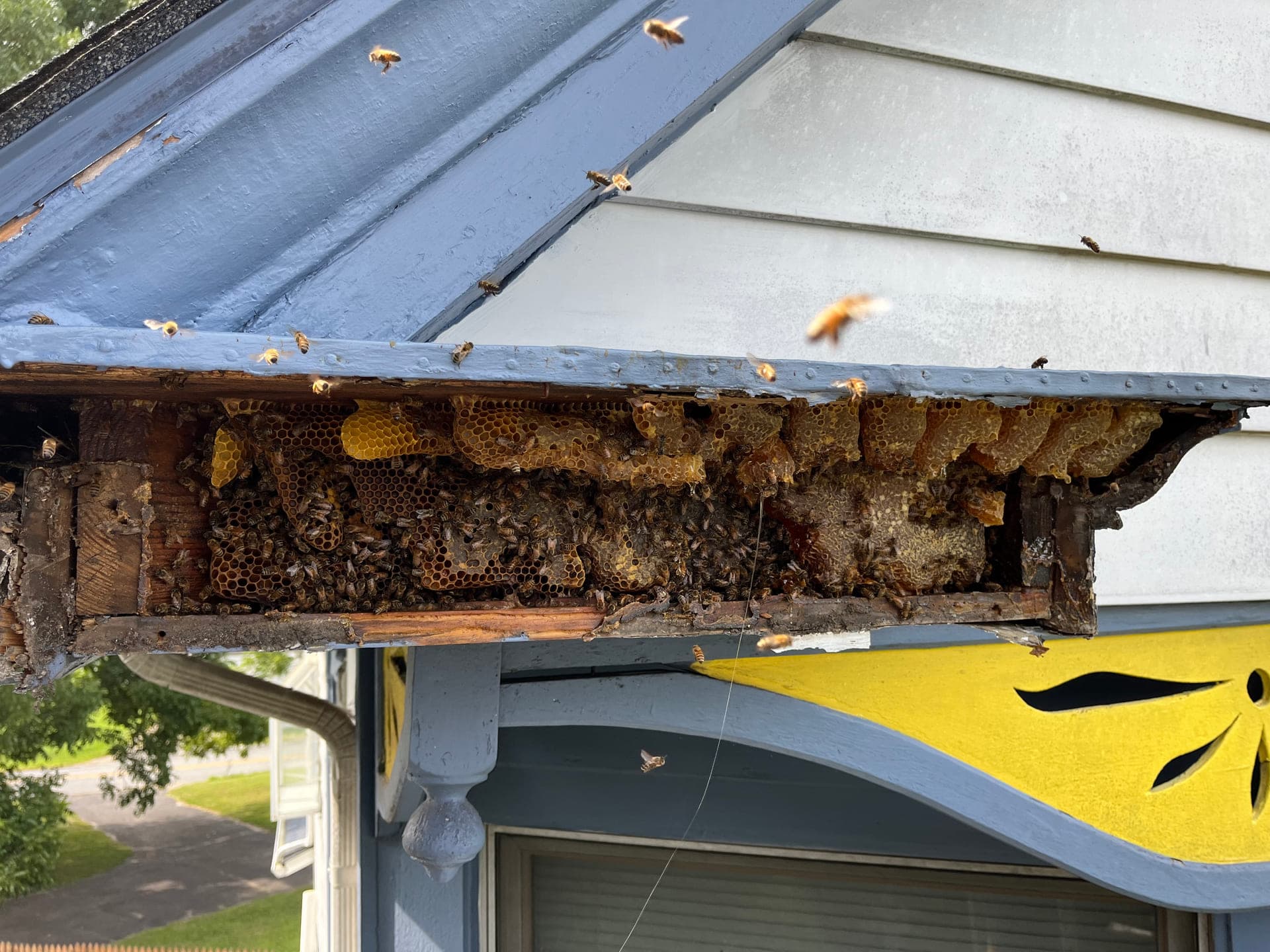
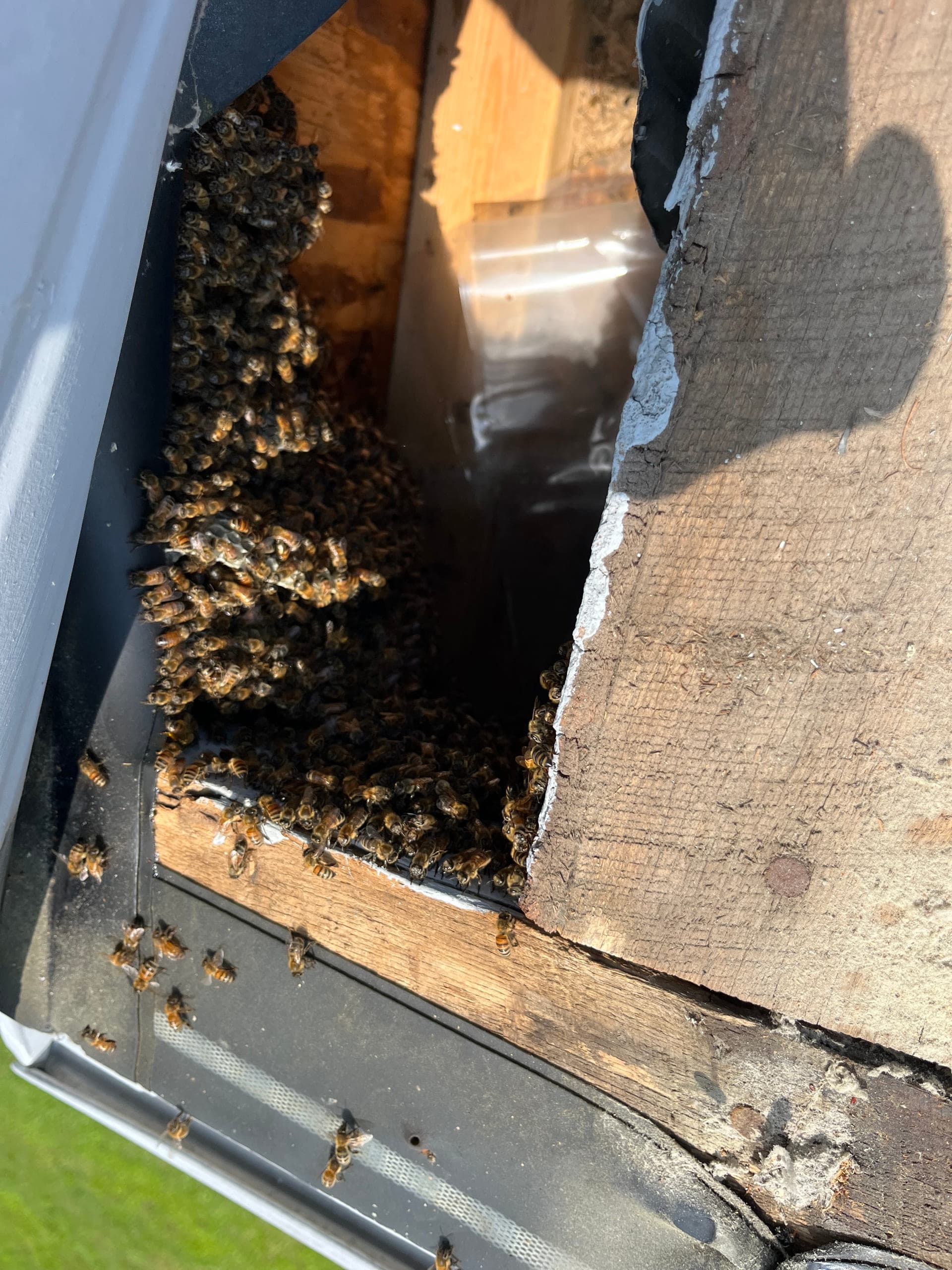
Our apiary ties pollination, raw honey, and stewardship to the lavender rows and cut-flower fields across the farm. When bees move into a wall or soffit somewhere nearby, we relocate the colony instead of letting it be destroyed.
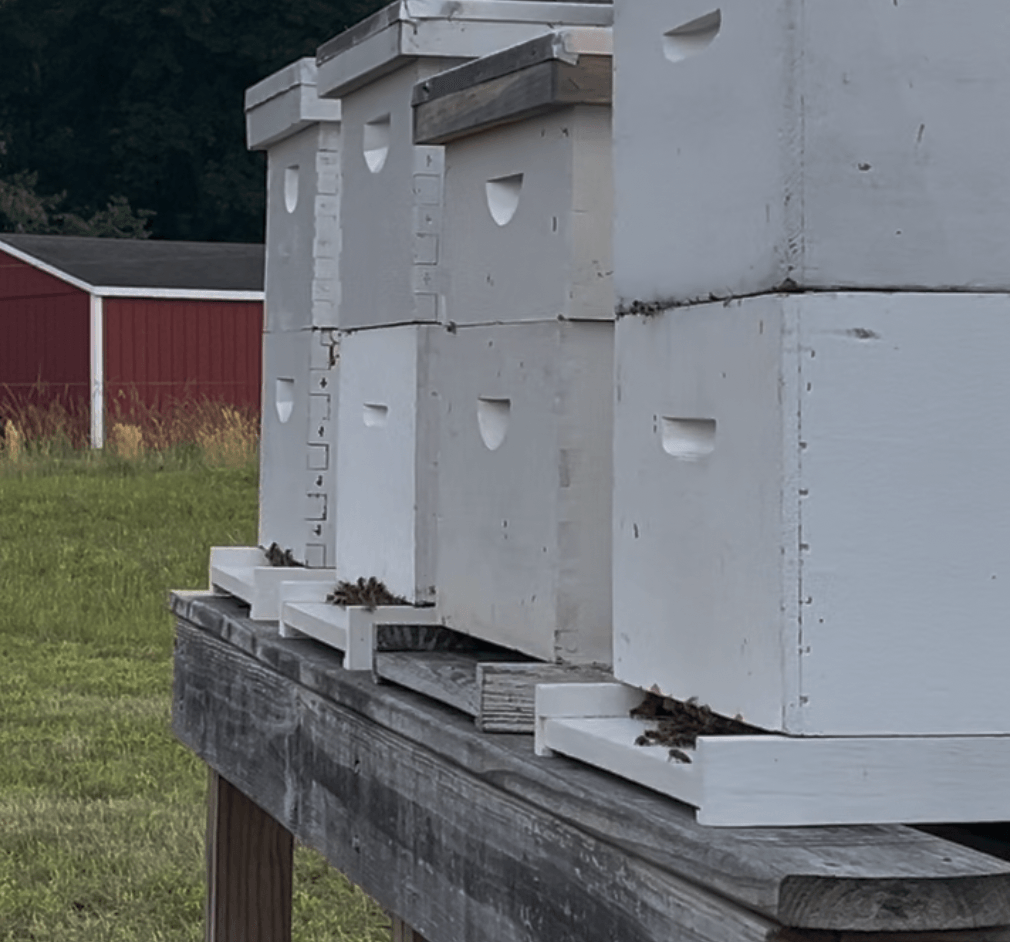
Beekeeping began here as a small hobby tucked into the rhythm of our lavender and cut-flower fields, but the diversity of our farm means even a hobby-sized apiary needs to run with the efficiency of a business. As we’ve expanded to roughly 15–20 colonies, we’ve refined our management so the bees integrate cleanly into the broader operation. Although beekeeping and cut-flower production aren’t always considered compatible, our mix of forage sources has proven more than adequate. Our bees stay well-fed, and our blooms remain unaffected.
Cut-out honeybee relocation services
Structural removals & colony rescue specialist.
Every job is different, so estimates vary. We extract the bees and close up the structure afterward, then move the colony into a managed hive instead of destroying it.
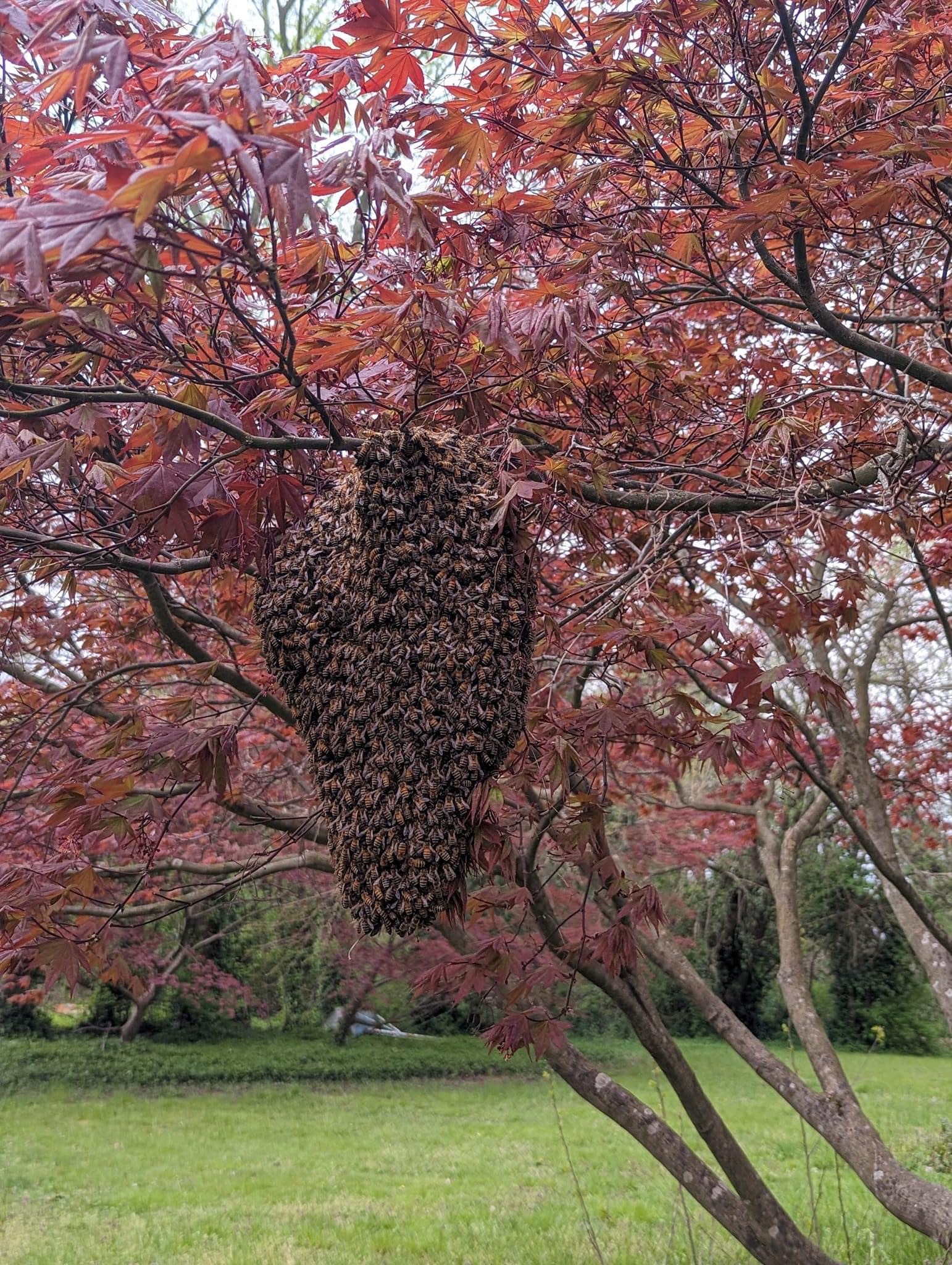
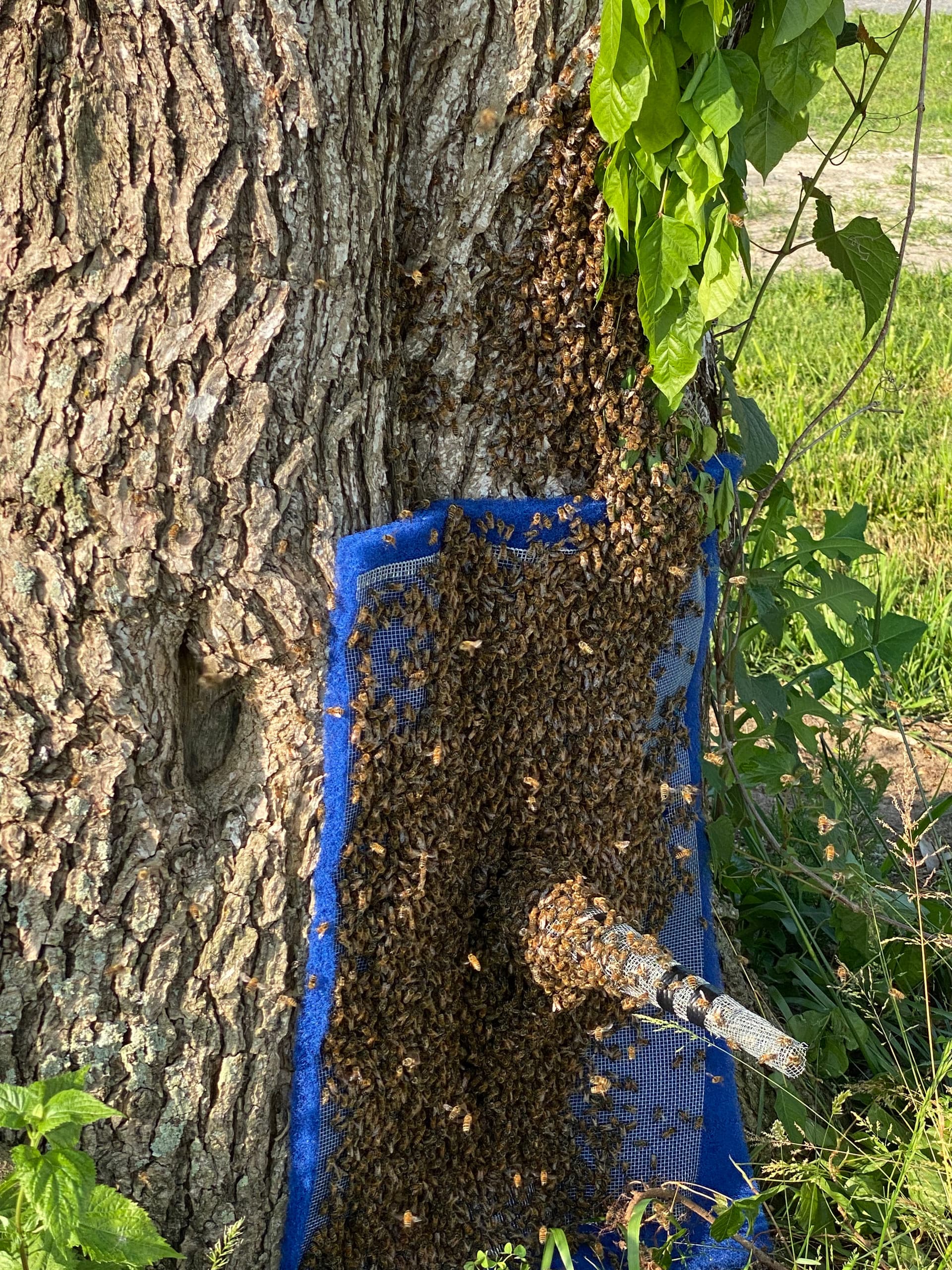
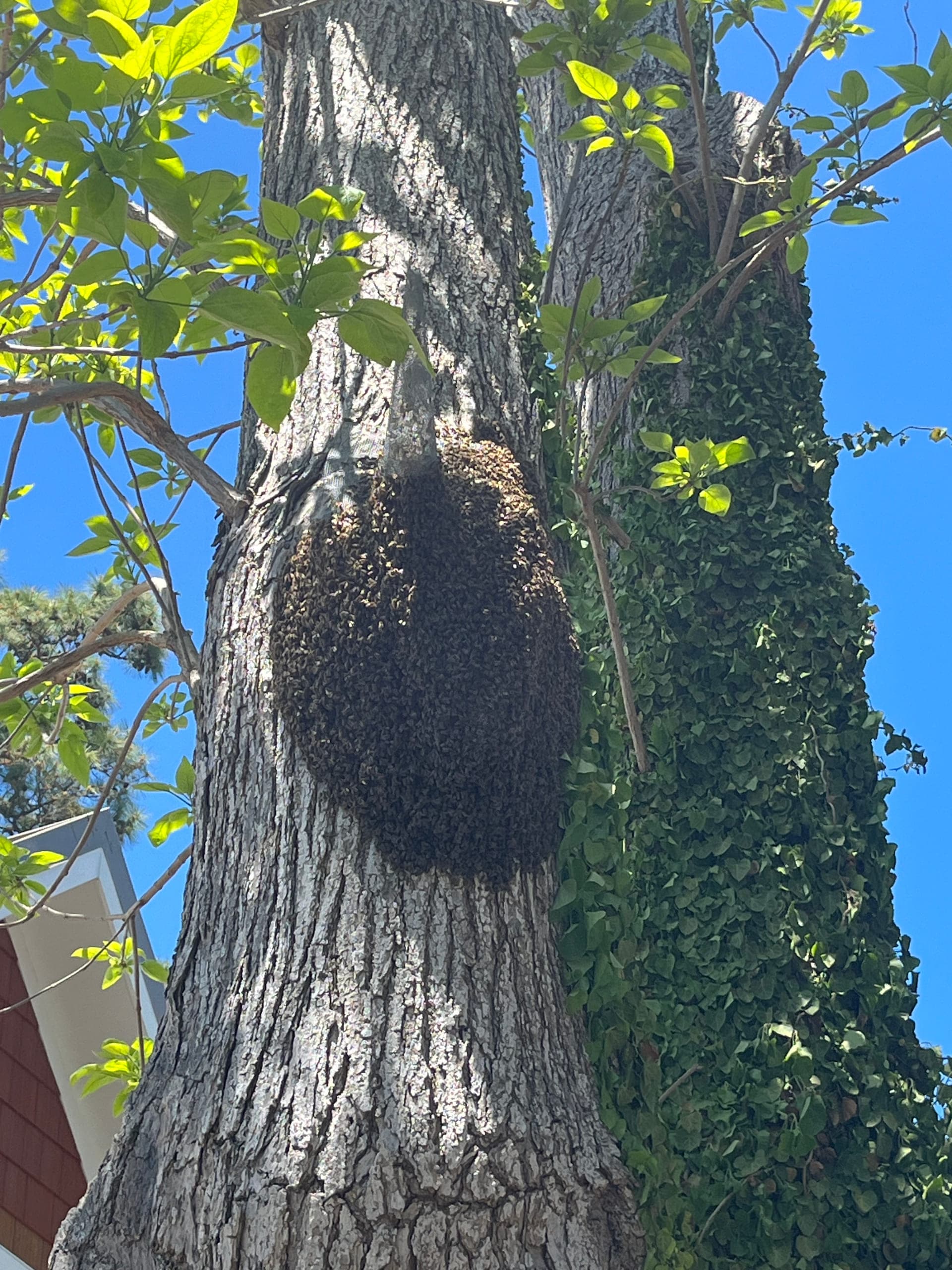
We are not only after the easy colonies. We serve homeowners across the Delmarva Peninsula, and we also enjoy grabbing bees off a tree branch when a swarm settles there.
To keep our apiary in order and our colonies healthy, we use our in-house developed HiveWorks app to track inspections, treatments, hive performance, and seasonal tasks. This helps us make informed decisions and maintain consistent standards across the apiary.
Swarmcall.com
Public swarm rescue
Through Swarmcall.com, we offer free swarm retrieval for the surrounding community. Access is available online to the public and to beekeepers through the HiveWorks app platform. It’s a way to promote responsible beekeeping, prevent unnecessary colony loss, and give displaced bees a safe home within our managed apiary.
Workshops for Beginners
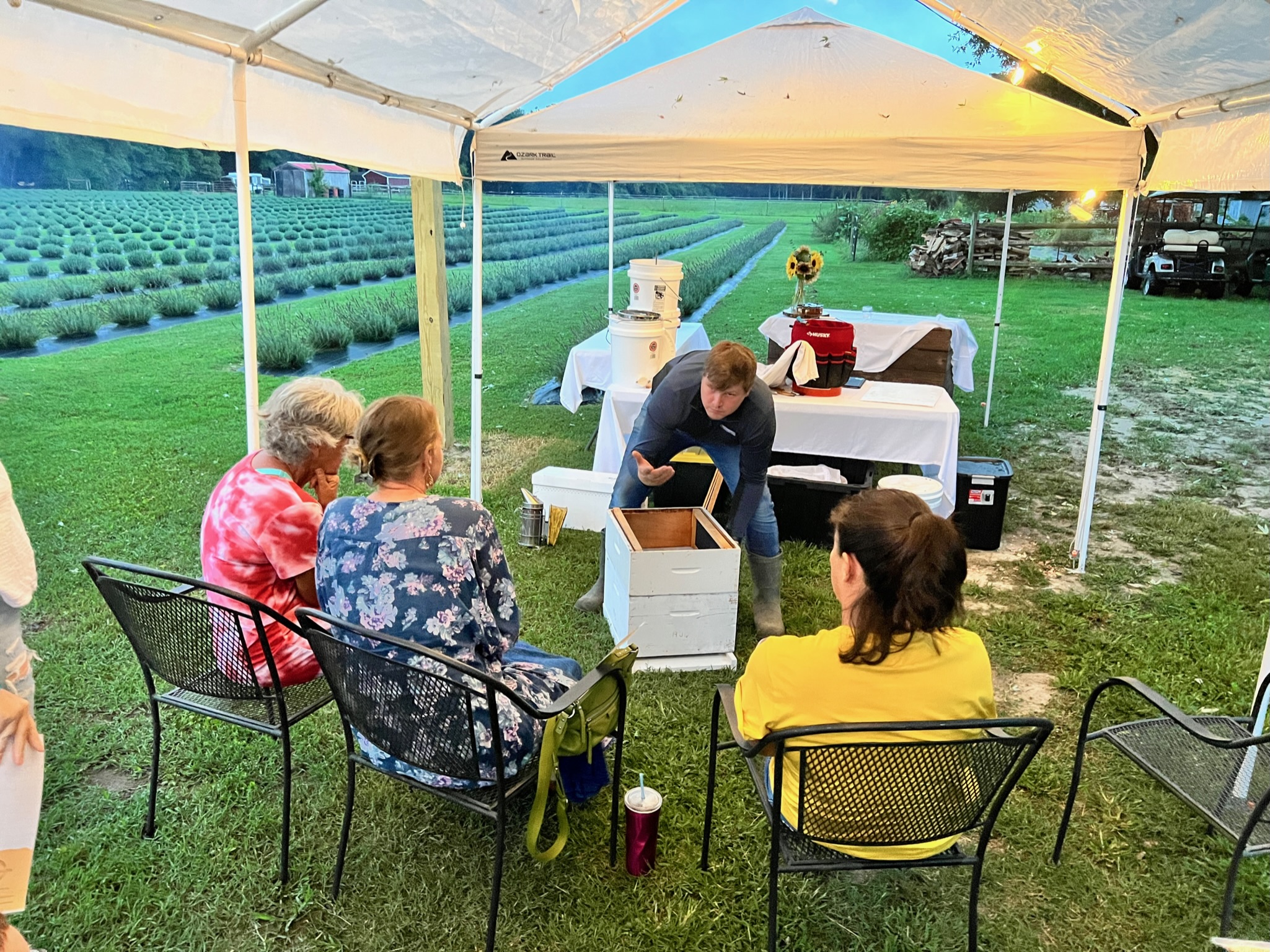
We also host hands-on beginner workshops designed for people who want to start keeping bees or simply understand them better. These sessions cover equipment, seasonal rhythms, hive health, and responsible management, all grounded in what we’ve learned operating a small, diversified farm.
Cut Flowers
Fresh-cut stems from our fields: bouquets, seasonal color, and u-pick when available.
Seasonal stems
Varieties rotate with the calendar; color and stem length follow the weather and what we plant each year.
U-pick & visits
U-pick windows and walk-up field visits are announced on Facebook as rows reach peak.
Flower care
Fresh bouquets and dried bundles each need different handling once you get them home.
Hands-on homesteading skills rooted in real farm rhythms: workshops and homeschool-friendly programs for families learning alongside the land.
Programs
Seasonal sessions cover practical skills, animal care, and stewardship, paced to what is happening in the fields and barns, not a textbook calendar.
Community
We grow alongside neighbors and homeschool families who want to live more intentionally. Stories and lessons also show up in the Homestead Almanac.
Harvest Host
Self-contained RV travelers stay with us through Harvest Host for quiet nights on our working lavender and flower farm.
Stays
We host self-contained RV travelers through Harvest Hosts. Read how visits work on our Harvest Host stays page, then use our official host listing to check details and book through the program.
Etiquette & timing
We share arrival guidance and farm etiquette so stays stay smooth for guests, neighbors, livestock, and early-morning field work.
The Farmstand
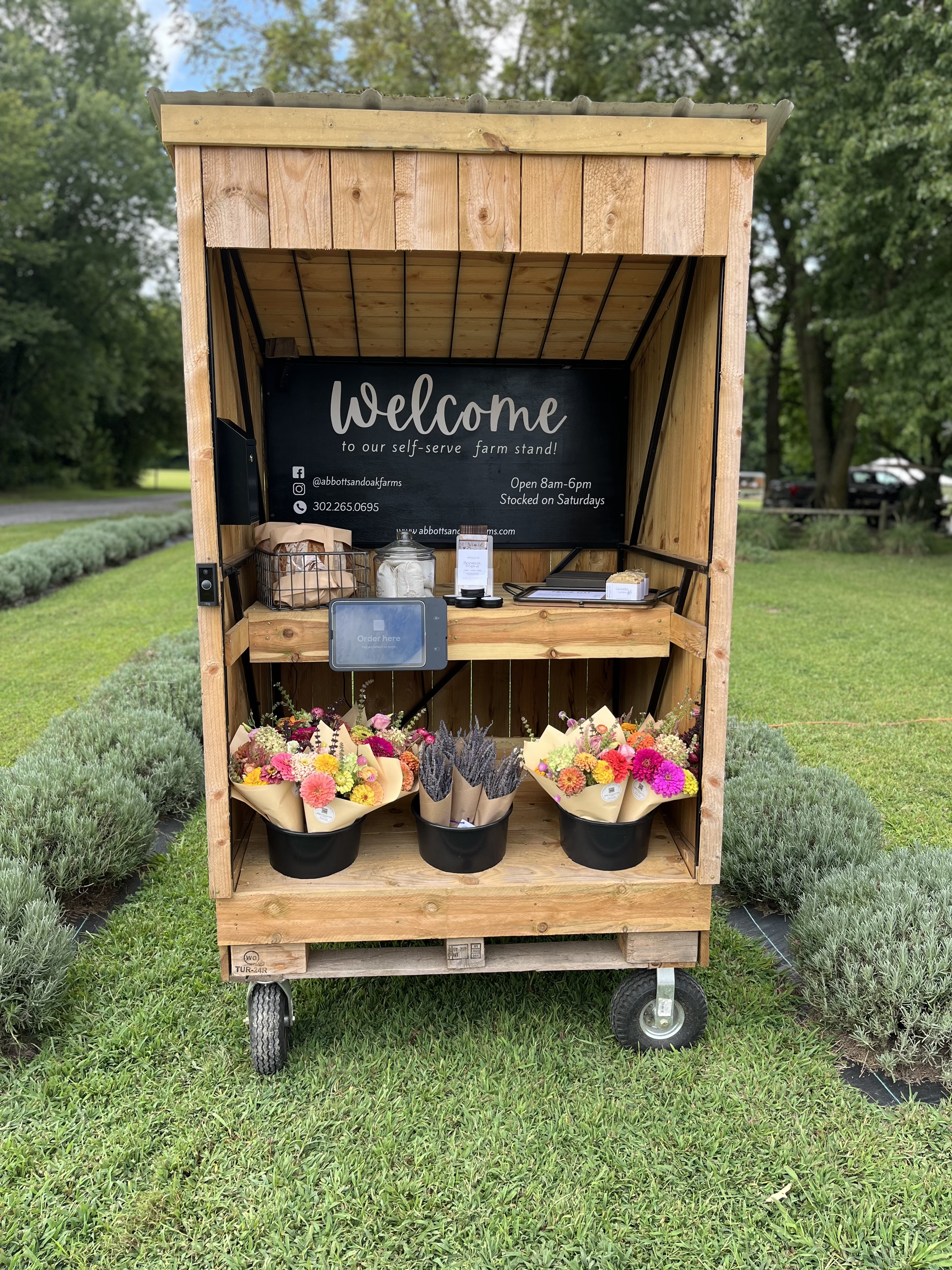
Seasonal farm goods, lavender botanicals, honey, and gifts from our onsite stand, plus the same drops in our online shop when we list them.
Onsite
Our farmstand is open Friday, Saturday, and Sunday, 8 a.m. to 8 p.m.
Online
Order online and schedule your pickup when it works for you!